
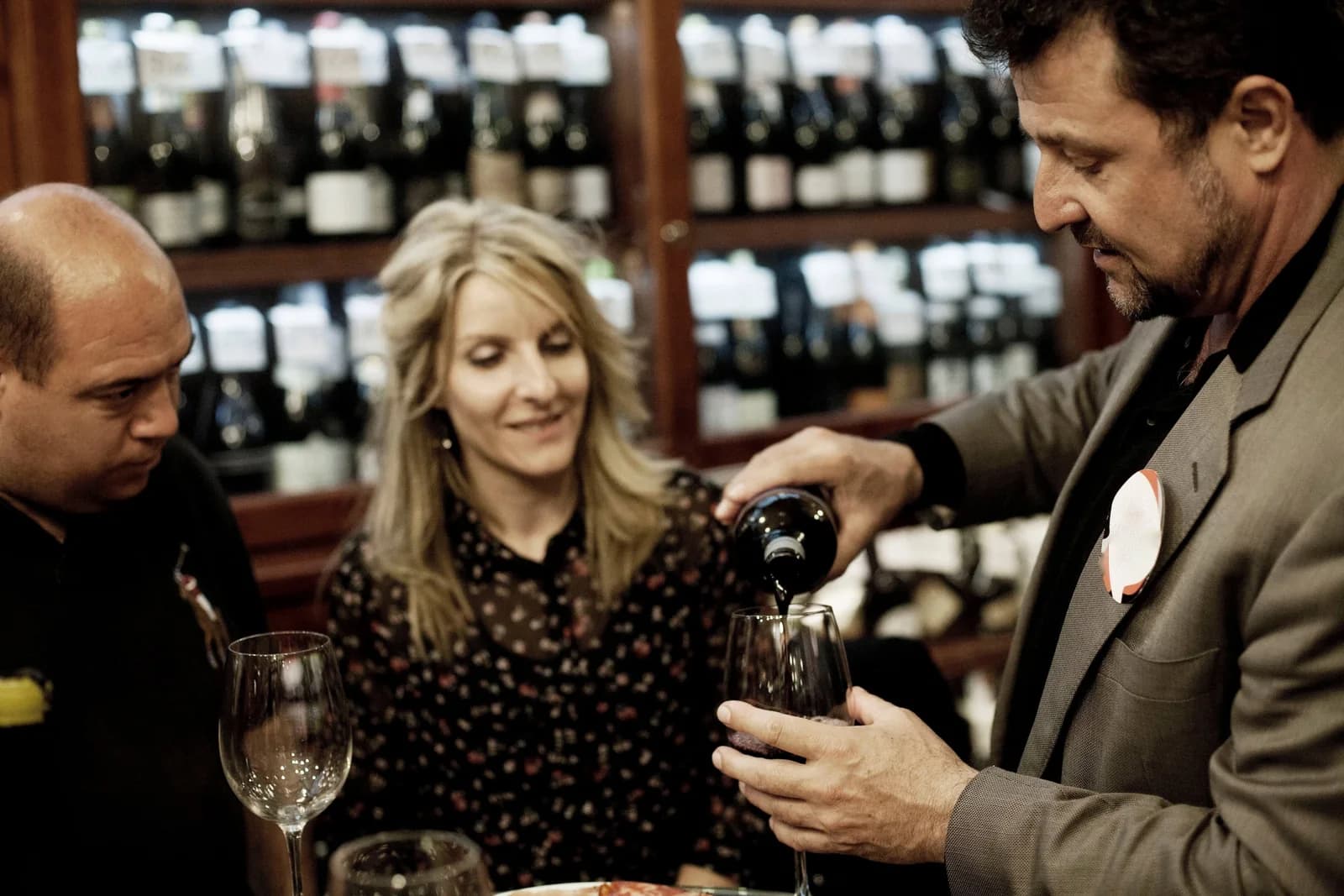
Wine country
Niagara Wine Tour from Toronto: Planning Guide
Practical planning advice for a private Niagara wine tour from Toronto: how to get there, what to expect at wineries, sample itineraries, accessibility and booking tips.
Published September 22, 2026
Introduction: what this guide covers
This guide walks you through planning a Niagara wine tour from Toronto with an emphasis on private, comfortable travel and practical preparation. If you are evaluating options for a day or multi-day visit, this article covers transport choices, typical winery experiences, sample itineraries, accessibility and mobility considerations, tipping and etiquette, and a checklist to use when you book. It is designed for general Niagara travelers who want clear, usable steps to plan a relaxed wine-country outing rather than a deep dive into individual winery offerings.
Why choose a private Niagara wine tour from Toronto
A private wine tour means a vehicle and driver dedicated to your party for the day. For travellers leaving Toronto or the GTA, private tours remove the stress of navigation, parking, and coordinating tastings while keeping your schedule flexible. Private options can be especially helpful when you have mobility needs, are travelling with children or seniors, or prefer a curated sequence of stops tailored to your tastes. If you want an example of a private itinerary and the vehicles available, see the Tour Niagara wine country offering atNiagara wine tour from Toronto.
Getting from Toronto to Niagara wine country: options and considerations
There are three common ways travellers reach Niagara wine country from Toronto: private transfer, self-drive, or public transport plus local taxi or shuttle. Each has trade-offs.Private transfer: Offers door-to-door service, luggage handling, and an itinerary that doesn’t require you to drive after tastings. Tour Niagara provides private transfers and guided experiences marketed as private, not shared. If convenience and a single point of contact are priorities, a private tour is the straightforward option.Self-drive: Renting a car gives complete independence, but it requires a designated sober driver for tastings and adds responsibility for parking and navigation.Public transport plus local taxi: Useful for budget-conscious travellers or those combining stays in Niagara with other activities, though it usually involves transfers and limits the number of wineries you can comfortably visit in a day.When choosing, consider your party size, whether anyone will be designated to abstain from wine to drive, and how many stops you want in one day.
Planning your winery visits: booking, tastings, and etiquette
Wineries differ in how they handle tastings and visits. Many recommend, and some require, advance reservations for tasting flights, tours, or food pairings. Contact each winery directly to confirm reservation policies, accessibility, and any age or group-size restrictions for tasting areas. When you plan multiple stops, leave time for travel, tasting commentary, and optional purchases.Tasting etiquette is straightforward: arrive on time if you reserved, mention any mobility needs or dietary restrictions, and ask whether tasting pours are limited for safety. Sharing bottles across group members is common for food pairings, but don’t assume transport or shipping of purchases is included with your tour — discuss logistics with your driver or host in advance.
Sample itineraries to consider
Below are sample frameworks you can adapt; they are not fixed schedules and should be confirmed with your tour operator and the wineries you plan to visit.
- Classic half-day: One or two wineries plus a scenic stop inNiagara-on-the-Lake Heritage Districtfor a short walk and café lunch.
- Full day: Three to four wineries with a leisurely lunch at a winery that offers food service, plus a brief heritage-district stroll or vineyard-view photo stop.
- Taste-and-dine: Focus on two wineries and an evening restaurant reservation in Niagara-on-the-Lake or Fallsview; ideal if you want longer, seated pairings.
- Multi-day: Split tastings across two days to include more boutique producers and time for other attractions; useful for travellers staying overnight in Niagara.
What to pack and how to dress
Pack comfortable layers, as vine-side temperatures vary with sun and wind. Closed-toe shoes are helpful for vineyard walks. Bring a small day bag for a water bottle, ID for tastings, and any prescription medications. If you plan to buy bottles, consider a collapsible tote or purchase transport-ready packaging offered by a winery or your driver. For safety, always keep a non-alcohol driver designated if you aren’t on a private tour.
Mobility, accessibility, and special needs
If someone in your party uses mobility aids, call wineries ahead to ask about accessible entrances, seating, and restroom access. Private tours can often accommodate mobility needs more easily than group options because vehicles and stop timing can be adjusted to your pace. Be explicit with your tour provider about wheelchair or scooter requirements so they can plan appropriately.
Food, allergies, and dietary preferences
Many wineries offer food pairings, cheese boards, or on-site restaurants, but menus and booking policies vary. If anyone in your party has allergies or strict dietary preferences, mention them when you reserve tastings or lunch. Bringing small snacks is acceptable for long days, but check with your tour provider about vehicle policies on outside food and drink.
Budgeting and payments: what to expect
Tasting fees, food service, bottle purchases, and gratuities are commonly separate from transportation costs. Tour Niagara invites potential guests to request a tailored quote for private tours via the planning link atRequest a Quote. Use that quote process to confirm vehicle options, inclusions, and whether a destination pick-up is available for your party.
Private-tour relevance: benefits for Toronto travellers
For travellers departing Toronto, a private tour keeps logistics simple: one pickup, one driver, and an itinerary shaped around your group’s preferences. Private tours can reduce waiting time and maximize time at select wineries rather than trying to visit as many places as possible. They also provide a single point of contact for handling purchases, luggage, or last-minute changes. If you’re considering a private option, review the sample offering atNiagara wine tour from Torontoand request a personalized plan through the quote link above.
Checklist for your booking conversation
- Confirm pick-up and drop-off locations and whether curbside or door-to-door service is available.
- Ask how many winery stops are realistic for your party size and pace.
- Discuss luggage or parcel handling if you plan to travel onward after tastings.
- Specify any mobility, dietary, or accessibility needs.
- Clarify payment methods for tastings and bottle purchases, and whether the driver can carry small purchases.
- Request written confirmation of the proposed stops, timings, and contact details for the driver or host.
Frequently asked questions
Do I need to reserve winery tastings in advance?
Many wineries recommend or require reservations, especially for larger groups, seated pairings, or weekend visits. Policies vary by producer. Before finalizing your travel date, contact the wineries you want to visit or ask your private tour planner to confirm reservation requirements and make bookings on your behalf where possible.
Can a private tour accommodate dietary restrictions or mobility needs?
Yes. Private tours are typically the most flexible option for accommodating accessibility and dietary needs because your schedule and vehicles can be arranged around the party’s requirements. Provide details early in the booking process so the operator can plan suitable stops and request accessibility information from each winery.
How many wineries should we plan to visit in one day?
The ideal number depends on your group’s pace, whether you want a long lunch, and how close the wineries are to one another. Many travellers find two to four tasting stops plus a lunch break comfortable for a full day; a shorter half-day might include one or two stops. Discuss preferences with your tour advisor to balance travel time and tasting experiences.
Final tips and seasonal considerations
Vineyards and tasting rooms have different seasonal rhythms: harvest time is busy, and some tasting formats are more prevalent in summer versus winter. Check with wineries and your tour provider about seasonal availability of vineyard walks, al fresco seating, or food service. If you prefer quieter visits, consider weekdays or shoulder seasons and confirm what each venue offers on your chosen date.
Ready to plan? Next steps and booking CTA
When you’re ready to move from planning to booking, start with a short conversation to outline your priorities: number of guests, pickup location in Toronto or the GTA, preferred wine styles, and any accessibility or dining needs. For a curated private experience built for your group, explore the private options available through the Tour Niagara wine country offering atNiagara wine tour from Torontoand request a tailored price and availability estimate by using the planning link:Request a Quote. A brief planning call or message will help align winery reservations and vehicle choices to create the most comfortable day for your group.
If you want to include a heritage stroll as part of your day, consider adding time in theNiagara-on-the-Lake Heritage Districtfor shops, cafés, and historic streetscapes. That area pairs naturally with winery visits and can round out a well-paced private touring day.
Planning takeaway
If this guide helped you narrow the type of Niagara day you want, the next step is choosing a private tour or sending a quote request with your pickup area, preferred date, and route priorities.
More Guides